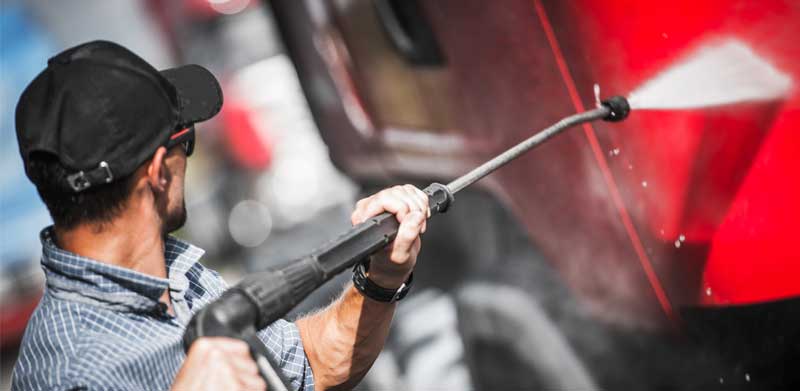
An exposed wash area can receive both wash water and rainfall. Diversion equipment directs flow to the designed destination. It does not clean the water or establish that discharge is acceptable.
Demand-driven diversion responds to washing
The Fox DD600 uses a demand valve associated with the wash water supply to respond to wash activity. The diversion unit operates without electrical power. Other wash bay equipment, including pumps and treatment, may still need electricity.
First flush addresses rainfall runoff
Initial rainfall runoff can carry residues left on the area. A first flush system captures a defined initial runoff volume. This is a different task from detecting active washing, so an exposed site may need both functions.
Plan the downstream system
Collection, sediment control, holding and treatment need to suit wash demand, contaminants and the intended destination. Water treatment and diversion should be selected as parts of the same drainage plan.
Before specifying equipment
Provide a catchment and drainage plan, wash water supply details, wash frequency, sediment load and the wastewater destination. Confirm the selected model, installation requirements and applicable site conditions.
Share what you’re washing, the site location and the water-management requirements you know. We’ll help work through the configuration and the information needed for a clear equipment quote.
Plan your permanent wash area
Tell us about your fleet, daily wash demand and proposed site layout. Include existing drainage, available services and your intended discharge or reuse pathway. A site plan is useful if you have one.
Discuss your separator requirements
Tell us about the wastewater source, expected flow, oil and solids load, detergents and proposed discharge point. Send any existing equipment details or water test results you have.
Discuss your wash-water reuse requirements
Tell us what you wash, daily water demand and the contaminants or detergents involved. Include the intended reuse, existing collection equipment and space available for treatment and storage.
Price your light vehicle biosecurity package
Tell us about your utes or 4WDs, the largest vehicle dimensions, site location and when you need the package.
Discuss your heavy vehicle biosecurity package
Tell us which trucks need clean-down, their dimensions, your site location and required timing. Include a few photos if you have them.
Price your detailing wash bay
Tell us about the vehicles you detail, your available space and site location. Let us know whether you want to add a pressure washer or use your existing equipment.
Price your construction wash bay
Tell us about your construction-site trucks and utes, site location and when you need the package.
Discuss your custom wash bay
Send your largest vehicle dimensions, site footprint and access layout. Tell us about wash frequency, available services and any relocation requirements so we can discuss a suitable configuration.
Plan first flush diversion for your site
Send the exposed catchment area, drainage layout and the residues left on the surface. Include the proposed holding or treatment system, site location and project timing.
Discuss your washdown diversion system
Tell us how washing is activated, the wash-water supply arrangement and where the drain currently leads. Include your site layout, rainfall exposure and the intended wastewater destination.
Work out your wash-water system
Describe the water you collect and what needs to happen next: storage, oil separation, reuse or diversion. Send your site location, wash demand and existing equipment details.
Plan your biosecurity washdown setup
Tell us which vehicles need clean-down, the largest dimensions, and the material being removed. Include your site location, available services and project timing.
Find the portable wash bay for your site
Send your largest vehicle dimensions, available footprint and supporting-surface details. Tell us how often you wash, where the collected water will go and when you need the system.
Your vehicles or equipment
Send your largest vehicle dimensions and how often you wash.
Your site and services
Available space, water, power and relocation requirements.
Your timing and water pathway
When you need the system, and how captured water will be managed.
Your wastewater
Source, expected flow, oils, solids and detergents. Include test results if available.
Your existing system
Collection, drainage, pumping, available space and treatment equipment.
Your water destination
Proposed discharge or reuse, site location and project timing.
Still working out the details? Send what you know. We can help identify the information needed to select your system.