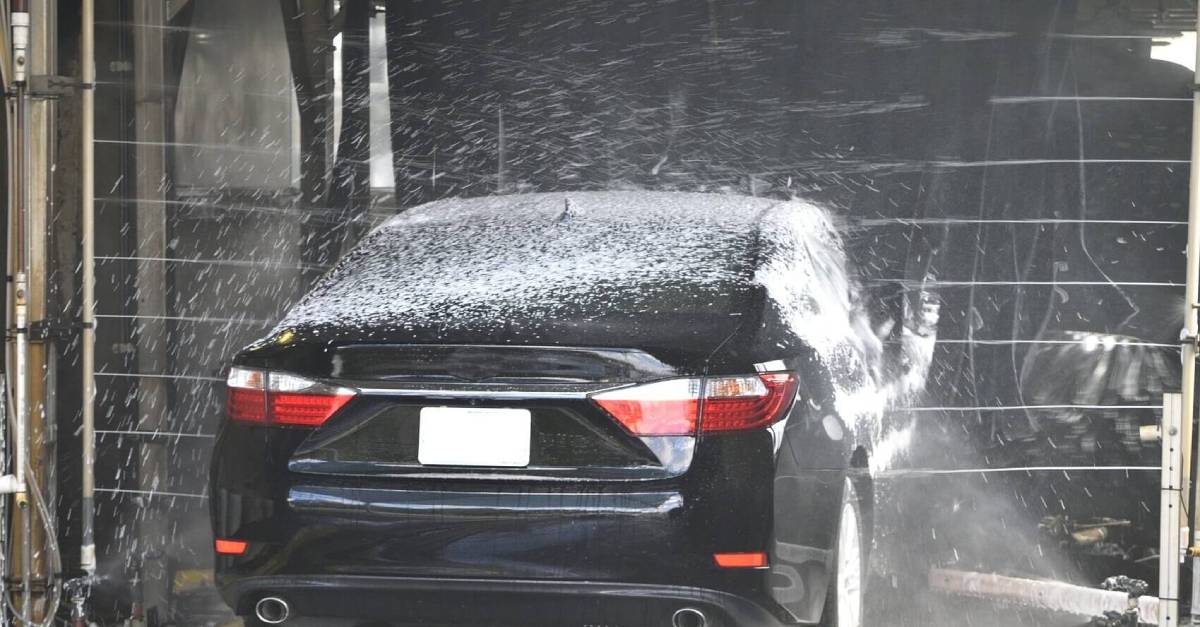
Depending on the operation, runoff may contain soil, oil, detergent and other material. A wash bay provides a defined place to collect that runoff while the vehicle is washed. The contaminants determine what happens next.
Contain the wet stage
Match the wash area to the vehicle and operator’s working space. Check access, splash and drainage so the collection system receives the wash water. A bay footprint alone does not establish capacity or complete water management.
Recover and manage the water
A recovery pump moves water. Storage provides holding capacity. Treatment changes water quality. These functions need to be selected around actual flow, contaminants and the intended reuse or disposal route.
Consider biosecurity separately
Where the aim is to reduce movement of weed seeds and soil, the project’s clean-down procedure also matters. Equipment supports cleaning, collection and solids handling; inspection and verification remain part of the site process.
Make daily maintenance workable
Allow access to remove sediment, service recovery equipment and manage collected material. Train operators in the process and check the equipment as part of normal use.
Share what you’re washing, the site location and the water-management requirements you know. We’ll help work through the configuration and the information needed for a clear equipment quote.
Plan your permanent wash area
Tell us about your fleet, daily wash demand and proposed site layout. Include existing drainage, available services and your intended discharge or reuse pathway. A site plan is useful if you have one.
Discuss your separator requirements
Tell us about the wastewater source, expected flow, oil and solids load, detergents and proposed discharge point. Send any existing equipment details or water test results you have.
Discuss your wash-water reuse requirements
Tell us what you wash, daily water demand and the contaminants or detergents involved. Include the intended reuse, existing collection equipment and space available for treatment and storage.
Price your light vehicle biosecurity package
Tell us about your utes or 4WDs, the largest vehicle dimensions, site location and when you need the package.
Discuss your heavy vehicle biosecurity package
Tell us which trucks need clean-down, their dimensions, your site location and required timing. Include a few photos if you have them.
Price your detailing wash bay
Tell us about the vehicles you detail, your available space and site location. Let us know whether you want to add a pressure washer or use your existing equipment.
Price your construction wash bay
Tell us about your construction-site trucks and utes, site location and when you need the package.
Discuss your custom wash bay
Send your largest vehicle dimensions, site footprint and access layout. Tell us about wash frequency, available services and any relocation requirements so we can discuss a suitable configuration.
Plan first flush diversion for your site
Send the exposed catchment area, drainage layout and the residues left on the surface. Include the proposed holding or treatment system, site location and project timing.
Discuss your washdown diversion system
Tell us how washing is activated, the wash-water supply arrangement and where the drain currently leads. Include your site layout, rainfall exposure and the intended wastewater destination.
Work out your wash-water system
Describe the water you collect and what needs to happen next: storage, oil separation, reuse or diversion. Send your site location, wash demand and existing equipment details.
Plan your biosecurity washdown setup
Tell us which vehicles need clean-down, the largest dimensions, and the material being removed. Include your site location, available services and project timing.
Find the portable wash bay for your site
Send your largest vehicle dimensions, available footprint and supporting-surface details. Tell us how often you wash, where the collected water will go and when you need the system.
Your vehicles or equipment
Send your largest vehicle dimensions and how often you wash.
Your site and services
Available space, water, power and relocation requirements.
Your timing and water pathway
When you need the system, and how captured water will be managed.
Your wastewater
Source, expected flow, oils, solids and detergents. Include test results if available.
Your existing system
Collection, drainage, pumping, available space and treatment equipment.
Your water destination
Proposed discharge or reuse, site location and project timing.
Still working out the details? Send what you know. We can help identify the information needed to select your system.